PanelModeratorServices

Scott Steinberg · Futurist, Consultant and Business Strategist

Panel Moderator Services: Emcee (MC), Facilitator & Keynote Speaker

The best panel moderator services pros don't just help set the stage for an event, but also do the work that produces a session that people talk about afterward. A futurist keynote speaker and thought leader for 3000+ brands, Scott Steinberg moderates industry, executive and technical panels, with preparation that starts well before the event.

Panel moderation for industry conferences, executive sessions, convention meetings, customer events, technical programs and virtual formats, including panelist research, question design and pre-panel briefing.

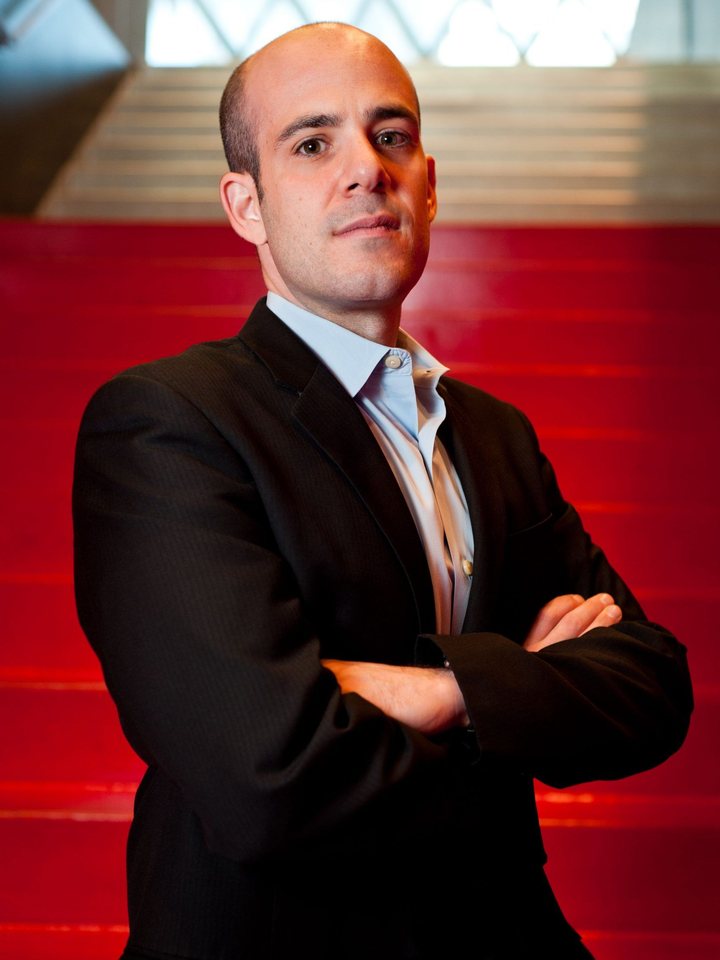
Scott Steinberg, professional panel moderator
Scott Steinberg — professional panel moderator and speaker
3,000+
Businesses, startups, governments and Fortune 500 companies advised
28 years
Management, keynote speaker and strategic consulting experience
30+
Books published on technology, marketing, business and innovation
5,000+
Published articles as seen in USA Today, CNN, ABC, NBC, TODAY Show

How top panel moderator services work

Most of the work happens before anyone sits down on-stage. These are the parts of the job that determine how well you win over a crowd.

Panelist research and preparation

Preparation means knowing what each panelist has said publicly, what their company position is, and crucially where they and the person beside them actually disagree.

That last part is what a prepared global panel moderator services expert brings that an unprepared one cannot: the skill to put a real question to a specific person and know it will produce something.

Question set design

Generic questions produce generic answers. The question set a famous panel moderator services advisor works with is built with organizers around what the session should accomplish.

Questions are directed at named panelists rather than thrown open, which avoids the pause where everyone waits to see who speaks first.

Pre-panel briefing

A short call or green room conversation with the panelists and global panel moderator services advisor sets expectations: topics to be covered, that questions will be directed, etc.

Panelists who know the format in advance perform better, and the briefing is where a moderator learns which of them will need drawing out and which will need managing.

Airtime and balance management

Left alone, one panelist takes forty percent of a session and one takes ten, and the audience notices both.

Managing that means panel moderator services tracking time actively, redirecting deliberately and having a courteous way to close an answer that has finished making its point.

Drawing out genuine disagreement

Panels default to agreement because it is comfortable and nobody wants to be difficult in front of an audience, which often produces less engaging sessions.

A panel moderator services pro who knows where the real differences lie can surface them respectfully, which is what audiences actually came for.

Audience question handling

Questions from attendees are where sessions can especially benefit from the presence of a skilled panel moderator services thought leader.

Handling those courteously without letting them consume the remaining time is a skill, and having a few prepared questions in reserve covers a silent room.

Difficult panel dynamics

Some panels carry complications: competitors on the same stage, a seniority gap that silences the junior participant, or a panelist determined to deliver a pitch.

These are manageable with preparation and a moderator willing to intervene rather than hoping the session recovers on its own.

Virtual panel moderation

Remote moderation means that the visual cues that signal someone wants to speak largely disappear, and the natural rhythm of interruption breaks down.

It requires more explicit direction, deliberate handoffs via panel moderator services advisors by name, and coordination with your platform's question routing before the session starts.

Formats for panel moderator services

Panel size drives everything. Three panelists plus a moderator is the sweet spot for a forty-five minute session; five is the practical ceiling.

Single panel

One session, with full preparation on the panelists and the subject.

Multiple panels

Several sessions across a program, which shares preparation and gives the event a consistent moderating voice.

Panel plus keynote speaker talk

Presenting earlier and moderating later, where having spoken gives the moderator standing with the room.

Virtual panel

Remote moderation from a broadcast setup, with question routing and airtime managed through the platform.

About Scott Steinberg

Scott Steinberg is a keynote speaker, futurist consultant and business trends expert with over 25 years of experience advising more than 3,000 businesses and brands, from startups to government agencies and Fortune 500 firms.

He is the author of over 30 books and has published more than five thousand articles covering technology, marketing, leadership, innovation, advertising and digital transformation. He appears regularly on ABC, CBS, CNN and NBC.

He has led seminars, keynotes and training programs for organizations including Wells Fargo, the PGA Tour, Century 21, Ford, Dell and Procter & Gamble, and has been recognized by the International Association for Scholastic Excellence, Fortune and the 21st Century Icon Awards.

Common questions about panel moderator services

How many panelists work best?

Three plus a moderator for a forty-five minute session. Five is the most you'd want to include in a 60-minute program.

What preparation do you do?

Research on each panelist covering their public positions, company stance and where they genuinely differ from the others, a planning call with organizers on what the session should accomplish, and a question set built and sequenced around that.

Do panelists get questions in advance?

Usually a topic outline rather than the exact questions. That lets them prepare without rehearsing, and it preserves the possibility of a genuine exchange. A short pre-panel briefing covering the format matters more than sharing the script.

What if a panelist dominates?

It's certainly a common occurance. The scenario is handled through tracking time actively, directing questions to named people rather than opening them to the group, and closing an answer courteously once it has made its point.

Can you moderate virtually?

Yes, and it requires a different approach. Remote moderation for webinars and virtua events comes with more explicit direction, handoffs by name, and coordination with your platform's question routing arranged before the session.

Discuss a panel

Share your event, the panelists if confirmed, the session length and what the panel is meant to accomplish. Panelist details can follow once they are locked.

Telephone
Availability
Engagements accepted nationwide and internationally

Panel size matters more than people expect

Five panelists in forty-five minutes gives each person under eight minutes of speaking time across the whole session, minus introductions and questions. Three panelists produces a genuine conversation; six produces a sequence of statements.